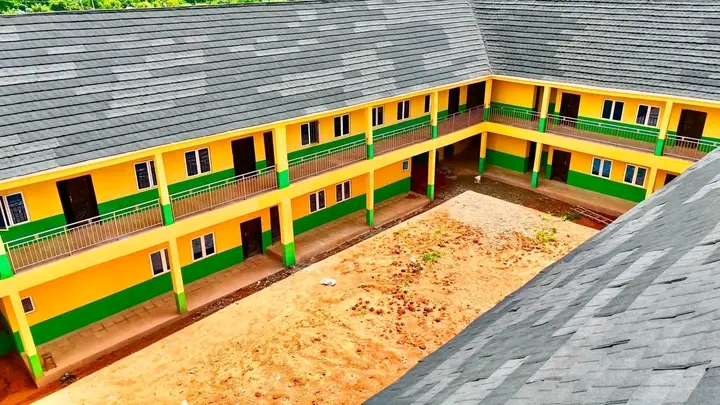
Ebonyi State Governor, Rt. Hon. Francis Ogbonna Nwifuru, has intensified investment in educational infrastructure with the construction of 22-classroom model secondary schools across the state’s 13 Local Government Areas and 56 modern 12-classroom blocks through the Universal Basic Education Board (UBEB).
The projects, according to the Special Assistant to the Governor on New Media and Director of the New Media Directorate, Leo Ekene Oketa, are part of the administration’s commitment to improving the quality of education and providing conducive learning environments for pupils and students across the state.
Oketa explained that the 22-classroom model secondary schools are designed to meet modern educational standards, featuring well-equipped classrooms, administrative offices, assembly halls, convenience facilities and other essential amenities.
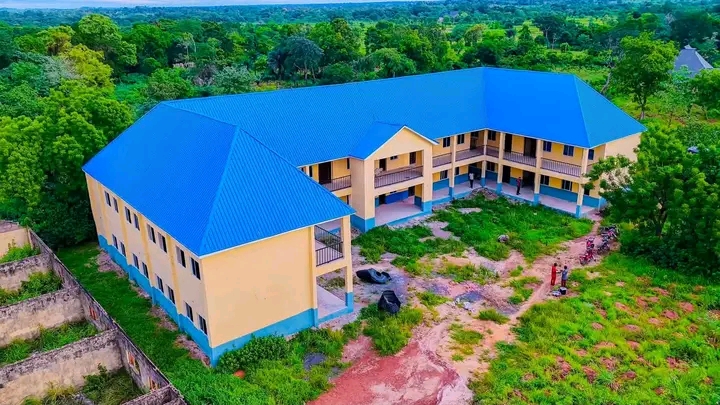
He added that the secondary schools would also benefit from digital learning facilities, including smart interactive boards, laptops and other technological equipment to expose students to modern teaching methods and prepare them for an increasingly technology-driven world.
Beyond secondary education, the governor has also extended the infrastructure intervention to the foundational level through the construction of 56 modern 12-classroom blocks across the state under UBEB.
According to Oketa, the initiative reflects the administration’s recognition that quality education must begin with strong foundations, stressing that improving secondary school facilities must go hand in hand with providing adequate learning environments for children at the basic education level.
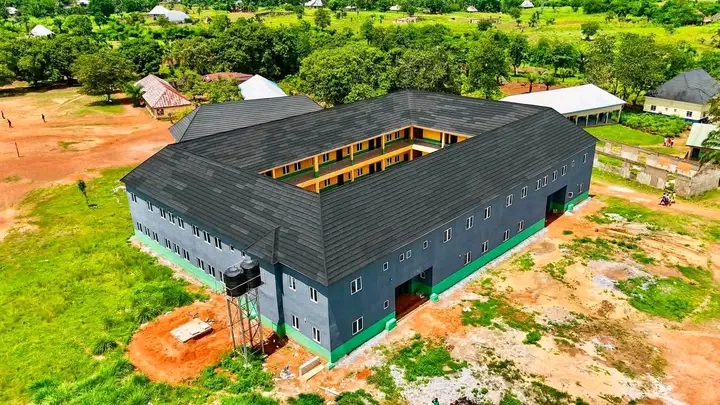
He noted that the new classroom blocks would help address challenges associated with ageing and inadequate school infrastructure, overcrowding and unconducive learning environments, while providing teachers with better facilities to deliver effective instruction.
The New Media Director further observed that the combined interventions demonstrate an approach to educational infrastructure that covers different stages of a child’s academic journey, from foundational learning to secondary education.
He said the investments would create safer and more comfortable learning spaces, encourage greater participation in education, boost the morale of teachers and students, and provide opportunities for improved learning outcomes.
Oketa maintained that the impact of educational investments extends beyond the construction of physical structures, noting that the ultimate value lies in the opportunities created for children to acquire knowledge, develop their abilities and pursue their aspirations.
He added that the administration’s investments in school infrastructure and digital learning facilities represent an effort to prepare Ebonyi children for the demands of the future
.The projects form part of Governor Nwifuru’s broader education development agenda under the People’s Charter of Needs, with emphasis on strengthening educational infrastructure and improving access to quality learning across the state.
Oketa said the transformation of dilapidated school facilities into modern learning environments would remain an important part of building a stronger educational foundation for present and future generations of Ebonyi children.