The proposed establishment of a new cement factory in Nkalagu by the Ebonyi State Government has been described as a landmark economic initiative capable of transforming the state’s industrial landscape, creating thousands of jobs, and reviving the historic legacy of one of Nigeria’s most renowned cement-producing communities.
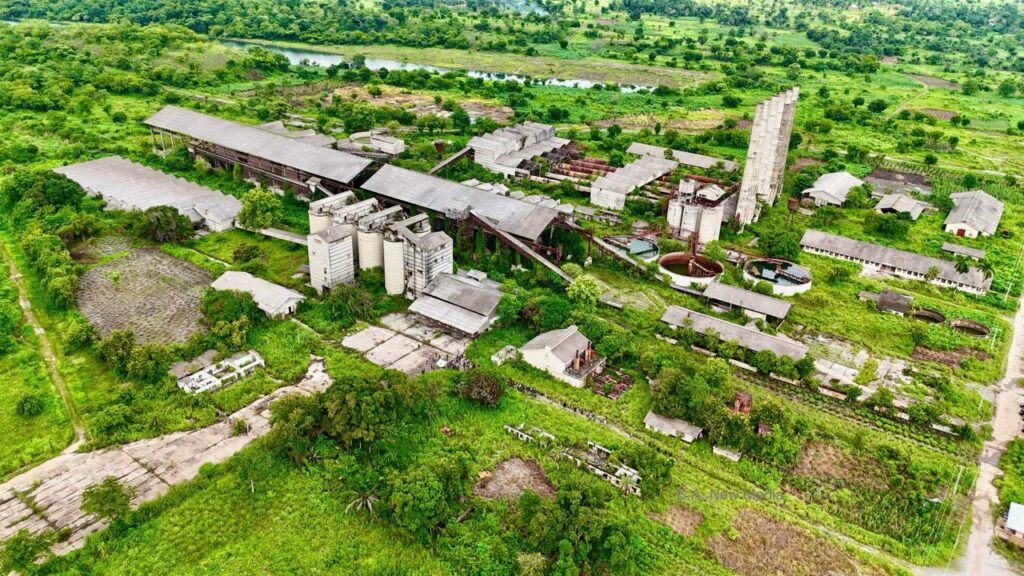
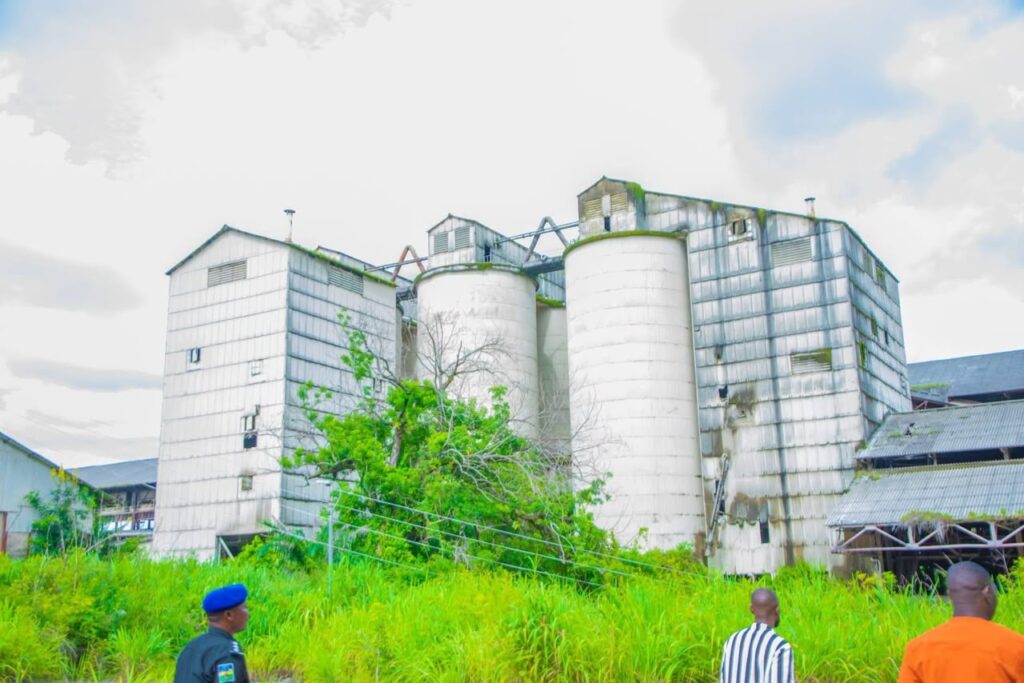
Nkalagu, once home to the defunct Nigerian Cement Company (NIGERCEM), was for decades a symbol of industrial excellence and economic prosperity in Eastern Nigeria.
However, years of inactivity left the once-thriving industrial hub struggling with economic decline and lost opportunities.
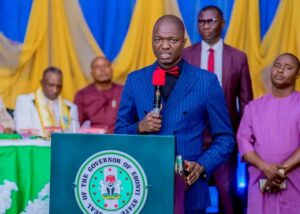
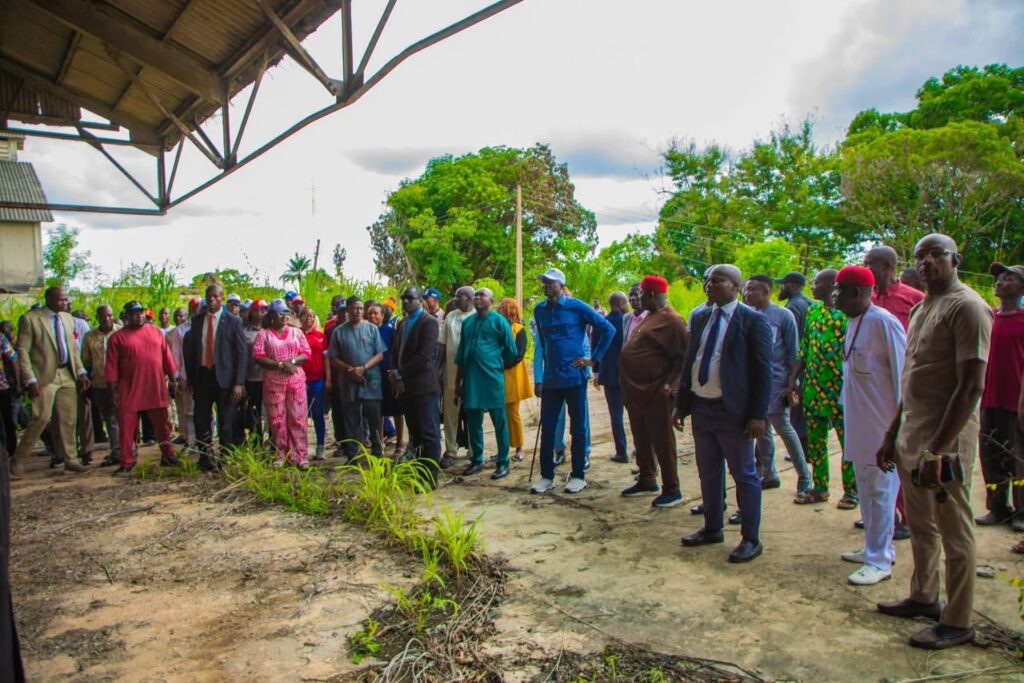
Now, under the administration of Governor Francis Ogbonna Nwifuru, the state is pursuing plans to establish a modern cement manufacturing plant in Nkalagu, a move widely viewed as a strategic step toward industrialization and sustainable economic development.
According to Governor Nwifuru, preliminary assessments indicate that Ebonyi State possesses substantial limestone deposits, with approximately 50 million tons located in Nkalagu and an additional 23 million tons in Effium.
Limestone remains the primary raw material for cement production, making the availability of these reserves a significant advantage for the proposed factory.
The project is expected to enable the state to maximize the economic value of its natural resources through local processing and manufacturing, rather than exporting raw materials.
Industry observers believe one of the most immediate benefits of the factory will be large-scale job creation.
A modern cement plant typically requires engineers, technicians, machine operators, accountants, administrative personnel, drivers, security staff, marketers, and other skilled and unskilled workers.
Beyond direct employment opportunities, the project is also expected to stimulate indirect jobs across transportation, logistics, maintenance services, hospitality, and other sectors that support industrial operations.
The anticipated increase in commercial activities around Nkalagu could further encourage housing development, expansion of transportation infrastructure, and the growth of small and medium-scale businesses.
The proposed factory is also expected to contribute to the construction sector by increasing cement supply within Ebonyi State and the Southeast region.
Stakeholders believe this could help stabilize cement prices, improve access to building materials, and support housing, road construction, and other infrastructure projects.
Economic analysts note that the project aligns with broader efforts to diversify Ebonyi’s economy beyond agriculture and civil service employment by strengthening its industrial base and attracting investment.
The presence of a major manufacturing facility is expected to encourage the growth of related industries, including block-making enterprises, construction firms, packaging companies, engineering services, transport businesses, and equipment suppliers.
Observers further note that large-scale industrial projects often serve as catalysts for additional investments by signaling a conducive environment for business and industrial growth.
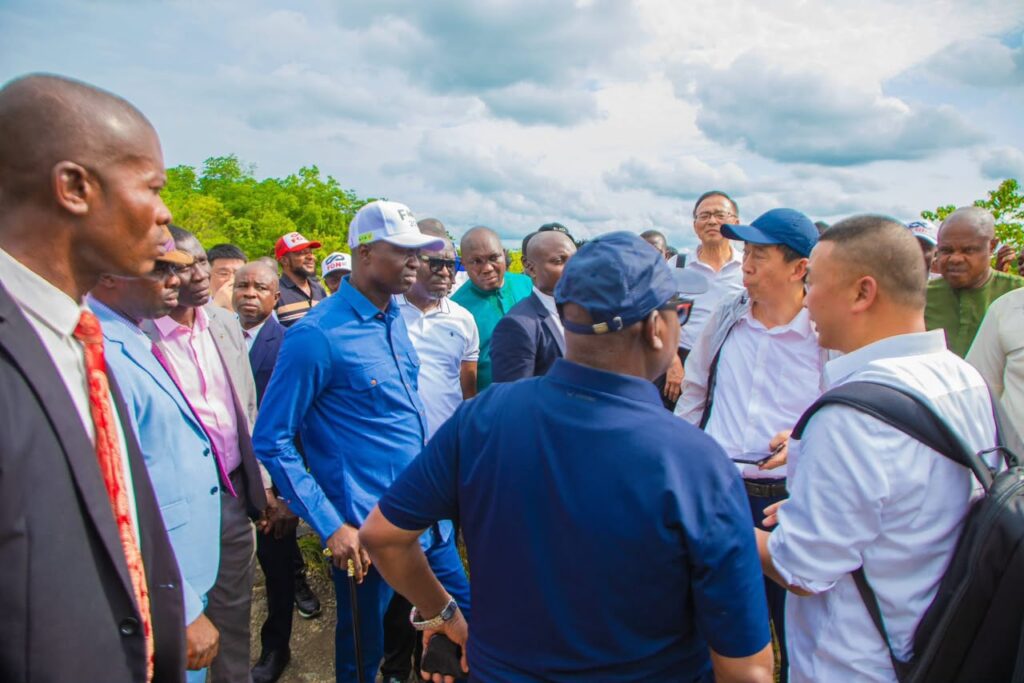
Beyond its economic significance, the project carries considerable symbolic value for residents of Nkalagu and surrounding communities.
For many, the decline of NIGERCEM represented the loss of a major source of pride, employment, and economic opportunity.
The proposed factory is therefore seen as an opportunity to restore that legacy while establishing a more modern and competitive industrial ecosystem capable of meeting contemporary economic demands.
The Ebonyi State Government has demonstrated its commitment to the initiative through the allocation of ₦150 billion in the 2026 budget for the project.
The investment is expected to yield long-term benefits through increased economic activity, job creation, tax revenues, infrastructure development, and enhanced industrial capacity.
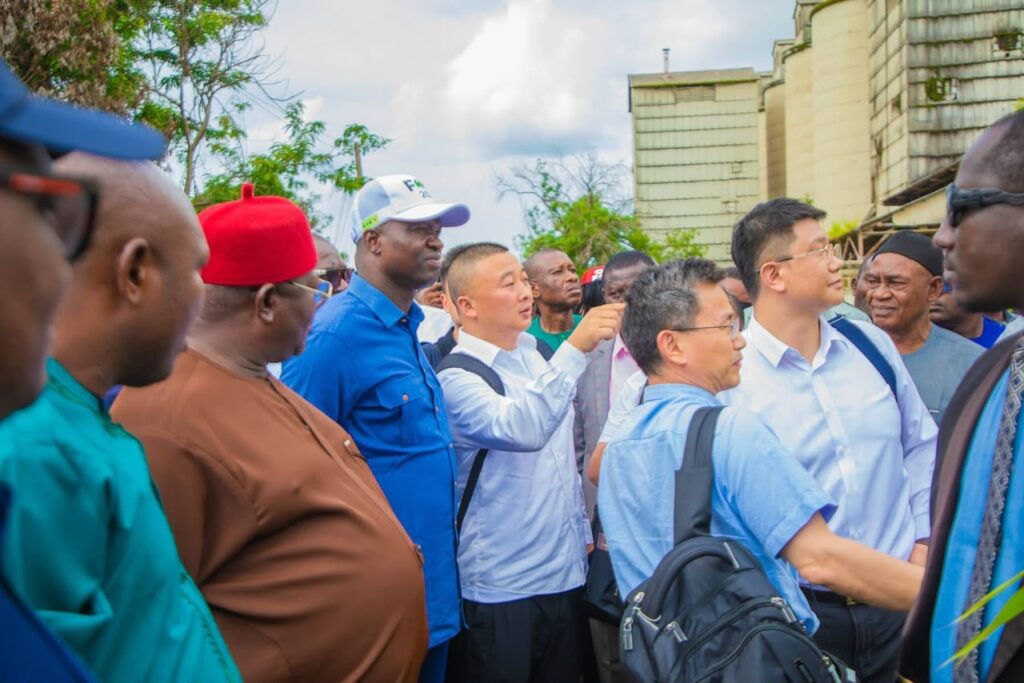
If successfully implemented, the Nkalagu Cement Factory could become one of the most transformative investments in Ebonyi State’s history, laying the foundation for sustained economic growth and positioning the state as a major industrial hub in Nigeria.
The project represents not only the construction of a manufacturing facility but also a renewed vision of economic self-reliance, productivity, and prosperity for the people of Ebonyi State.