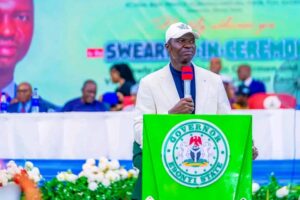
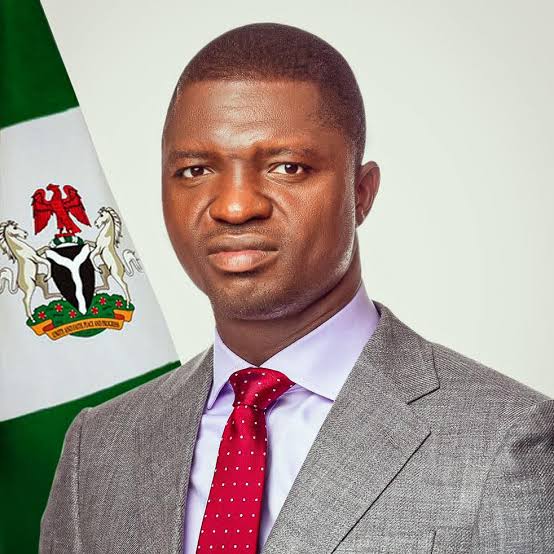
Governor Francis Ogbonna Nwifuru of Ebonyi State has called for a comprehensive review of academic programmes in Nigerian tertiary institutions to ensure that graduates are equipped with relevant skills needed to thrive in today’s dynamic labour market.
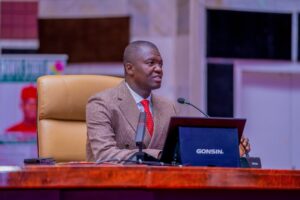
The governor made the call during a courtesy visit by the newly elected leadership of the National Association of Nigerian Students, stressing the need for educational institutions to align their curricula with contemporary economic realities and societal needs.
According to Governor Nwifuru, the quality of education should not be measured solely by access to schooling or the acquisition of certificates, but by the ability of graduates to become productive, innovative, employable, and self-reliant members of society.
He urged the student body to engage universities and other higher institutions on the relevance of the courses they offer, noting that some academic programmes no longer adequately prepare students for emerging opportunities in the modern economy.
The governor’s remarks highlight growing concerns over the mismatch between academic training and labour market demands, a challenge that has contributed to rising levels of unemployment and underemployment among young Nigerians.
Observers say the governor’s position reinforces his commitment to educational development and human capital advancement in Ebonyi State.
His administration has consistently emphasised policies aimed at improving learning outcomes, expanding access to quality education, and creating opportunities for young people.
Governor Nwifuru maintained that a responsive and forward-looking education system remains critical to national development, innovation, entrepreneurship, and sustainable economic growth.
He therefore challenged stakeholders across the education sector—including students, institutions, policymakers, and regulators—to work collectively toward ensuring that higher education serves as a catalyst for problem-solving, wealth creation, and societal progress.
The governor’s call comes at a time when conversations around curriculum reform and skills-based education are gaining prominence across the country, amid increasing demands for graduates who can effectively contribute to Nigeria’s economic transformation.
The position was contained in a statement issued by Leo Ekene Oketa, Special Assistant to the Governor on New Media, on June 9, 2026.