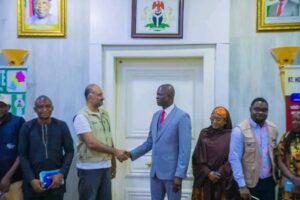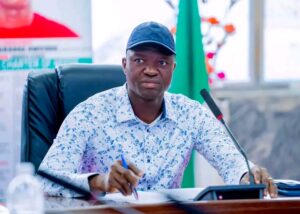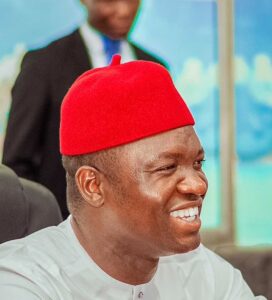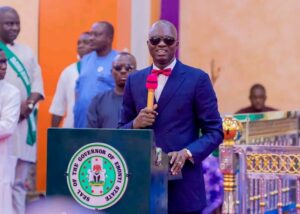
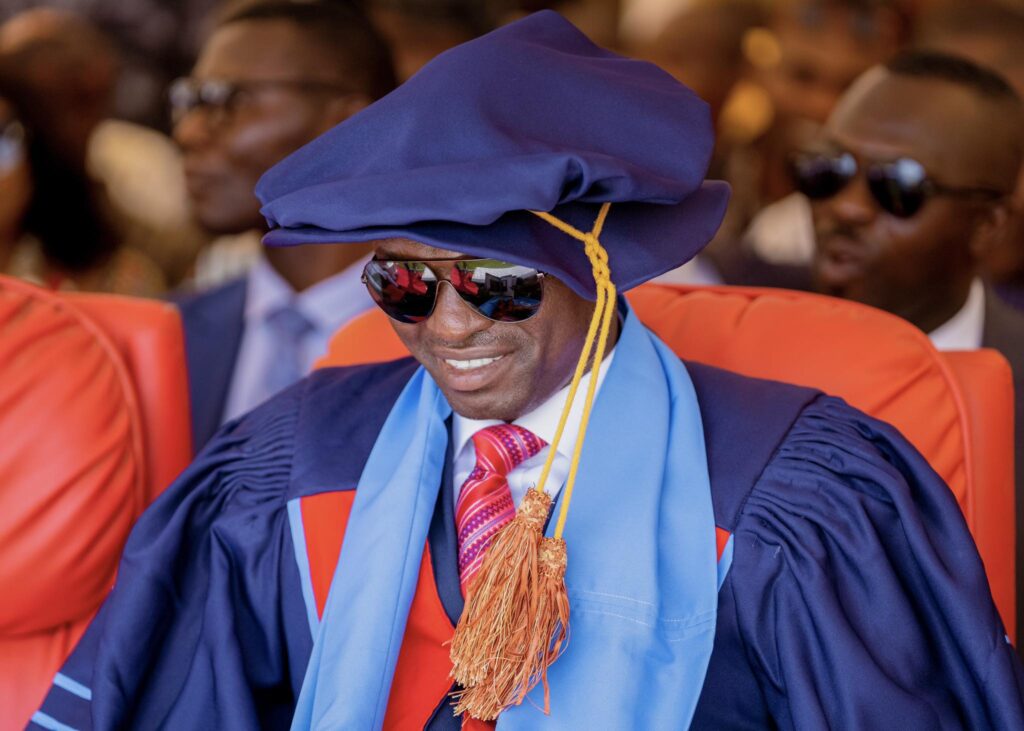
H.E. Rt. Hon. Francis Ogbonna Nwifuru
In the heart of Nigeria’s Southeast, Ebonyi State is quietly undergoing a transformation that is attracting attention across the nation. This transformation is not built on rhetoric, but on concrete results, sustained policy, and an unwavering focus on the welfare of the people. At the center of this metamorphosis is His Excellency, Rt. Hon. Bldr. Francis OgbonnaNwifuru, the Governor of Ebonyi State, whose leadership is defined by inclusiveness, continuity, and an unflinching commitment to meeting the genuine needs of Ebonyians. Guided by his manifesto, The People’s Charter of Needs, Governor Nwifuru has consistently demonstrated that governance is most effective when it prioritizes the aspirations of the people over political expediency.
From the very start of his administration, Governor Nwifuru signaled a clear departure from the norm. Where others had abandoned projects, he saw opportunity; where systems had stagnated, he recognized potential. He embraced the philosophy of “Continuity and Consolidation,” ensuring that every initiative, whether new or inherited, is transformed into a functional and impactful asset for the state. The results are visible across every sector – healthcare, education, agriculture, infrastructure, water resources, civil service, internal security, youth and sports development, and housing.
Rebuilding Healthcare and Human Capacity
In healthcare, Governor Nwifuru has implemented a sweeping transformation. Across all general hospitals, state-of-the-art medical equipment and consumables have been procured, staff strengthened, and medical doctors empowered with brand-new SUVs and enhanced allowances. The recruitment of medical personnel – including doctors, nurses, pharmacists, and health attendants, has fortified service delivery and brought Ebonyi closer to global standards of healthcare. The Governor also championed the demerging of the Alex Ekwueme Federal Teaching Hospital, ensuring that Ebonyi State University medical students can complete their clinicals within the state. Coupled with a robust health insurance scheme covering both workers and citizens, these initiatives are fostering a healthier population capable of contributing meaningfully to economic and social development.

Education as the Bedrock of Growth
Education, a cornerstone of long-term development, has not been left behind. Governor Nwifuru’s administration has prioritized the expansion of Ebonyi State University, increasing subventions, raising salaries for both academic and non-academic staff, and reducing tuition fees. First-class graduates are now guaranteed opportunities to lecture at the university, fostering a culture of homegrown excellence. Beyond tertiary education, 50 model secondary schools are under construction, complemented by pilot primary schools across the state. The distribution of free textbooks and notebooks ensures that no student is left behind due to economic barriers.
Governor Nwifuru has also strategically invested in higher education on both national and international levels to ensure Ebonyi State competes favorably in the demands of modern times. Over 300 Ebonyians have been sent on scholarships overseas to pursue master’s and PhD programs in technology, medicine, and other science-related disciplines. In parallel, more than 500 Ebonyians are pursuing similar studies in leading universities across Nigeria. These investments are not mere academic exercises, they are a long-term strategy to build a critical mass of highly skilled professionals capable of driving technological innovation, medical advancements, and research-led economic growth within the state.
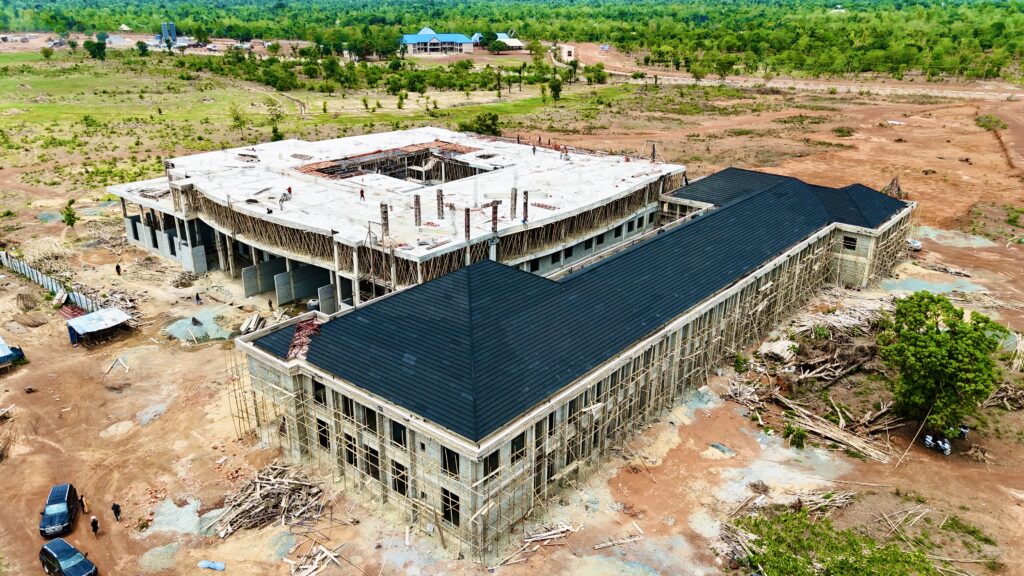
In addition, Governor Nwifuru is bringing up to speed, two strategically significant universities: the University of ICT at Offerekpe and the University of Aerospace Engineering in Ezza. These institutions are designed to position Ebonyi at the forefront of science, technology, and aviation engineering education in Nigeria. By nurturing talent in ICT and aerospace engineering, the state is creating a generation of innovators, problem-solvers, and industry leaders who will contribute directly to the state’s economic diversification, technological development, and global competitiveness. These visionary steps signify a Governor who understands that education is not merely about access, but also about relevance, skill acquisition, and the ability to compete on a national and global stage.
Agriculture: Empowering Farmers, Growing Economies
Recognizing that agriculture is the lifeblood of Ebonyi State, Governor Nwifuru has revitalized the sector through both mechanization and capacity building. The Ebonyi State Fertilizer and Chemical Company Limited has been revitalized, and fertilizers, herbicides, rice seeds, cassava stems, and modern processing equipment have been widely distributed to farmers. Over 3,800 farming machines were provided to enable efficient cultivation of rice and cassava, alongside the expansion of dry-season farming. Projects like the Ebonyi Feed Mill, cassava and rice processing centers, and solar-powered boreholes are reshaping the agricultural landscape, creating jobs, enhancing food security, and stimulating rural economies.
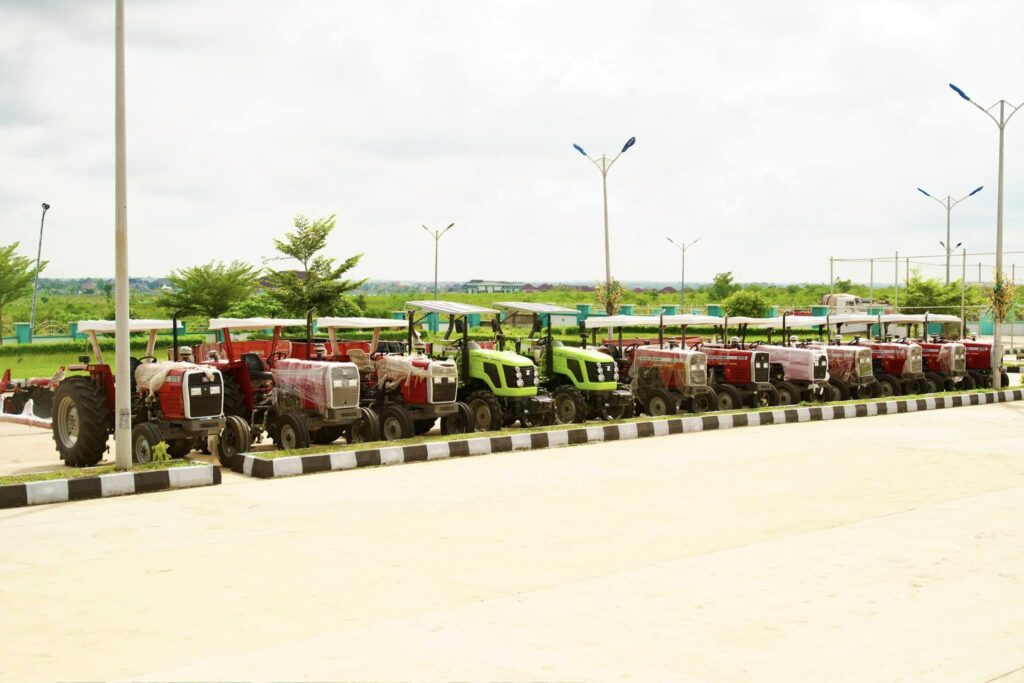
Capacity-building initiatives extend beyond farm inputs. Youths, women, and farmers have received training in modern techniques and value-chain management, facilitated in partnership with organizations such as USAID, Michigan State University, and BERWO. These programs ensure that agricultural growth is sustainable, entrepreneurial, and inclusive, enabling citizens to generate income and contribute actively to the state’s economy. By combining infrastructural investment with skill empowerment and access to finance, Governor Nwifuru is fostering a self-reinforcing cycle of productivity, economic growth, and poverty reduction.
Water and Sanitation: Laying the Foundation for Health and Industry
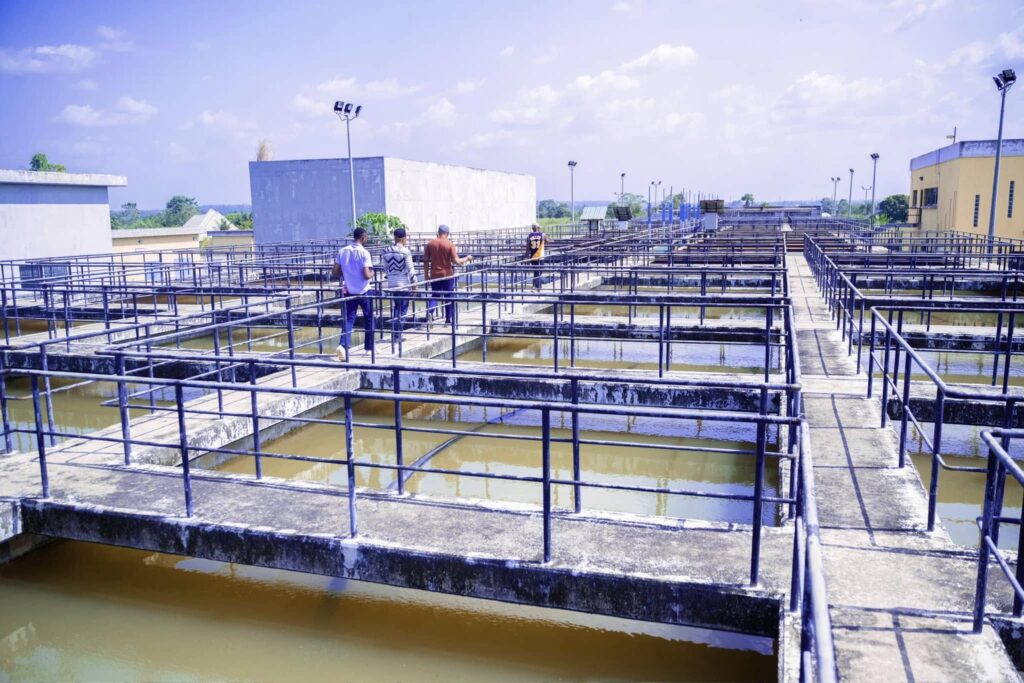
Water resources, long neglected, have become a priority under Governor Nwifuru. The revitalization of the Ezillo Water Treatment Plant, Oferekpe Water Scheme, and Old Abakaliki Water Scheme has restored reliable water supply to thousands of households and businesses. The Iboko Reservoir, high-lift and low-lift facilities, and ongoing projects in Ishiagu demonstrate the administration’s commitment to providing a fundamental utility that underpins both human and economic development. The State Ministry of Water Resources is laying pipes across the capital for proper water reticulation. Functional water systems are essential not only for health and sanitation but also for industrial growth and investment attraction, ensuring that Ebonyi’s economy can expand without the constraints of infrastructural deficits.
Infrastructure: Roads, Airports, and Transportation Networks
Governor Nwifuru’s infrastructural revolution is reshaping Ebonyi State’s physical landscape. Over 800 kilometers of roads are being constructed across local government areas, while major internal roads in Abakaliki, including Legacy FM Road, New Mile 50 Road, Nnorom, Ukwuakpu, Aloh, Nwele, Amagu, Udude, Obiri, Nkwaogu, Aniekwena, Oraifite, Umuoji, Arondizogu, Udi, Ekeaba, other streets and the Water Works Road leading to the lowlift, have been concretized and paved to enhance urban mobility. The 3.8-kilometer runway of Chuba Okadigbo International Airport in Onueke has been completed, opening the state to national and international business opportunities.
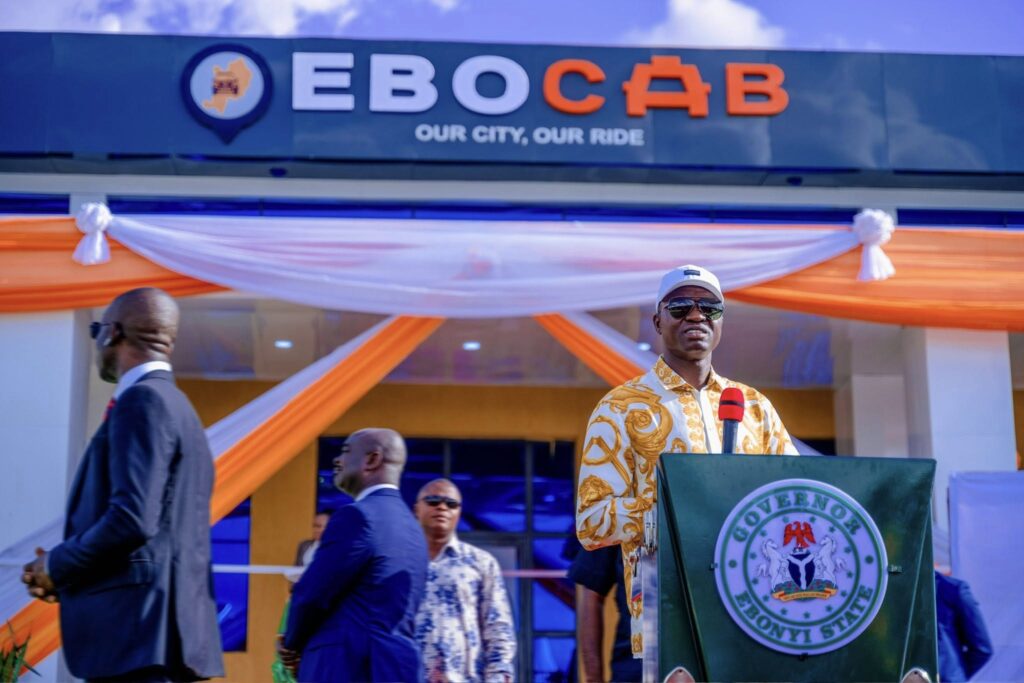
Innovative transportation solutions, such as the EBOCAB digital transport system, are streamlining commutes, reducing traffic congestion, and enhancing connectivity. Injection of brand-new buses and funds into Ebonyi State Transport Corporation has brought better options for Ebonyians and residents commuting to various parts of the country. The administration’s construction of complex flyovers, including the first-ever tunnel at Vanco Junction and additional flyovers at Nwezenyi and Nwofe Junctions, is not only easing traffic flow but also boosting commerce, improving access to markets, and enhancing the movement of goods and services.
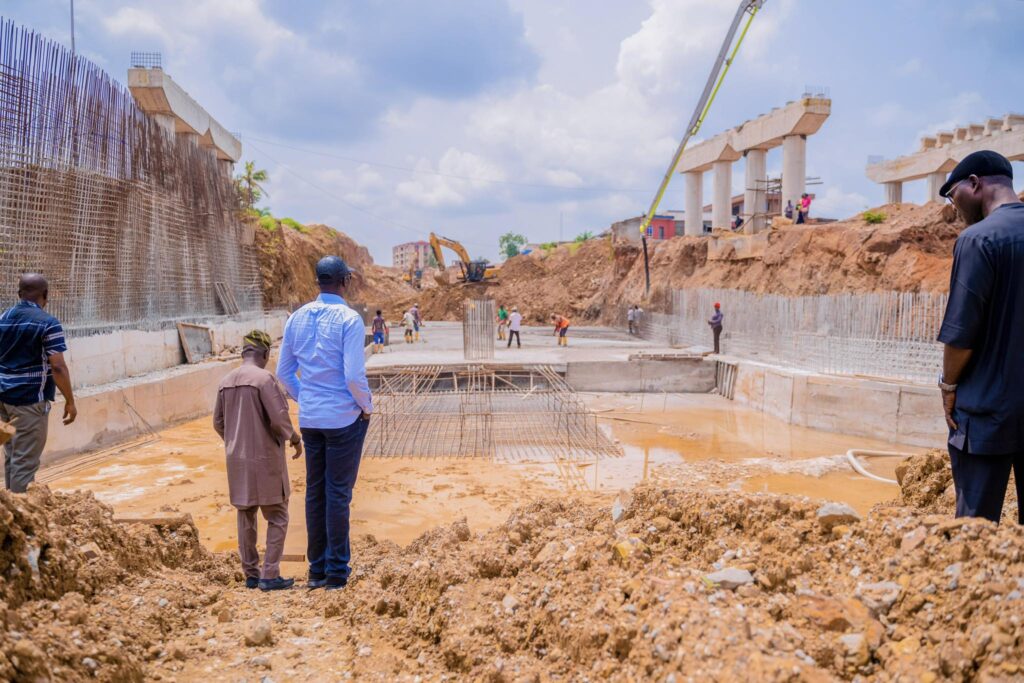
Governor Nwifuru is also constructing a historic bridge spanning Izzi Local Government Area of Ebonyi State and Oju Local Government Area of Benue State. This landmark project is poised to deliver immeasurable socio-economic benefits, easing the transportation of food and providing improved routes to Abuja and other Northern States. Once completed, Enyim Agbaja is set to become a gateway for trade, commerce, and overall economic growth for Ebonyi State. With key institutions such as the Sudan Mission Hospital, School of Health, Motherless Babies Home, and the School for the Deaf, the bridge is expected to significantly enhance access to education, healthcare services, further consolidating its transformative value for the people of Ebonyi State.
Civil Service Reform and Social Empowerment
Governor Nwifuru has also redefined civil service management in Ebonyi State. Salaries and pensions are paid promptly, and arrears stretching back to 1996 have been cleared. Retirees now receive gratuity on the day of retirement, while employment initiatives have brought over 1,700 new civil servants, judiciary, legislative staff, and new teachers into the system. For local government retirees, theirs is ongoing. The provision of free buses for commuting workers and students further demonstrates the administration’s commitment to improving quality of life, enhancing productivity, and reducing socio-economic barriers.
Security, Youth, and Housing: Safeguarding Lives and Building Communities
Security remains a cornerstone of the administration, with Ebonyi State recognized as one of the safest states in Nigeria. The Governor appointed special assistants on internal security across all local government areas to ensure responsive and proactive measures against crime. This focus on safety has allowed citizens and businesses to thrive without fear, reinforcing the state’s attractiveness for investment.
In youth and sports, the establishment of Abakaliki Football Club fosters local talent, engenders community pride, and encourages productive engagement of young people. Housing initiatives, such as the construction of hundreds of housing units for displaced persons, further reflect a government attuned to the social and economic needs of its citizens.
Evenness of Development: A Foundation for Economic Growth
What sets Governor Nwifuru’s administration apart is the evenness of development across all sectors. Investments in health, education, agriculture, water, infrastructure, civil service, and social welfare are not pursued in isolation. Each sector reinforces the other, creating a self-sustaining cycle of growth. Healthier citizens contribute to productivity; educated youth drive innovation; farmers supported with modern inputs and training expand local economies; and robust infrastructure ensures the efficient movement of goods and services. This holistic approach strengthens the state’s economic base, attracts investment, and lays the foundation for sustainable, long-term prosperity.
Empowering Citizens: Skills, Finance, and Opportunity
Beyond infrastructure and service delivery, Governor Nwifuru’s administration empowers Ebonyians through skills development and financial support. Youths, women, and farmers receive training and resources that enhance entrepreneurship and self-reliance. This dual approach – developing both the state’s physical and human capital, ensures that economic growth is inclusive and participatory. By equipping citizens to actively contribute to the economy, the administration fosters resilience, reduces poverty, and strengthens social cohesion.
The Rebuilder: Turning Abandoned Projects into Engines of Progress
Governor Nwifuru’s moniker, “The Rebuilder,” reflects his commitment to resurrecting abandoned projects and transforming them into functioning assets. From the Ebonyi State Pipe Production Company and Fertilizer and Chemical Company to the revitalization of hatchery, Ebonyi trade centre, water schemes, transportation company, and educational infrastructure, the Governor demonstrates that no project is too far gone to be useful. These interventions create jobs, stimulate local industries, and ensure that public resources deliver maximum social and economic value.
A People-Centered Vision in Action
Governor Francis Ogbonna Nwifuru’s administration is a testament to the power of governance that is attuned to the people’s needs. Through even sectoral development, strategic empowerment, and a focus on practical outcomes, he has created a state where opportunities abound, communities thrive, and citizens are equipped to build a better future. Every road paved, school completed, hospital equipped, water scheme restored, and farmer empowered is a manifestation of a leadership philosophy rooted in service, accountability, and vision.
Closing in to three years in office, Ebonyi State has moved to dynamic growth. The Governor’s work demonstrates that when government focuses on the people, balances sectoral priorities, and invests in human and physical capital, the results are profound: a healthier, safer, educated, and empowered population driving a resilient and sustainable economy. Governor Nwifuru is not merely administering a state, he is shaping a legacy of inclusive development, turning dreams into reality, and setting a standard for transformative governance across Nigeria.
© Leo Ekene Oketa