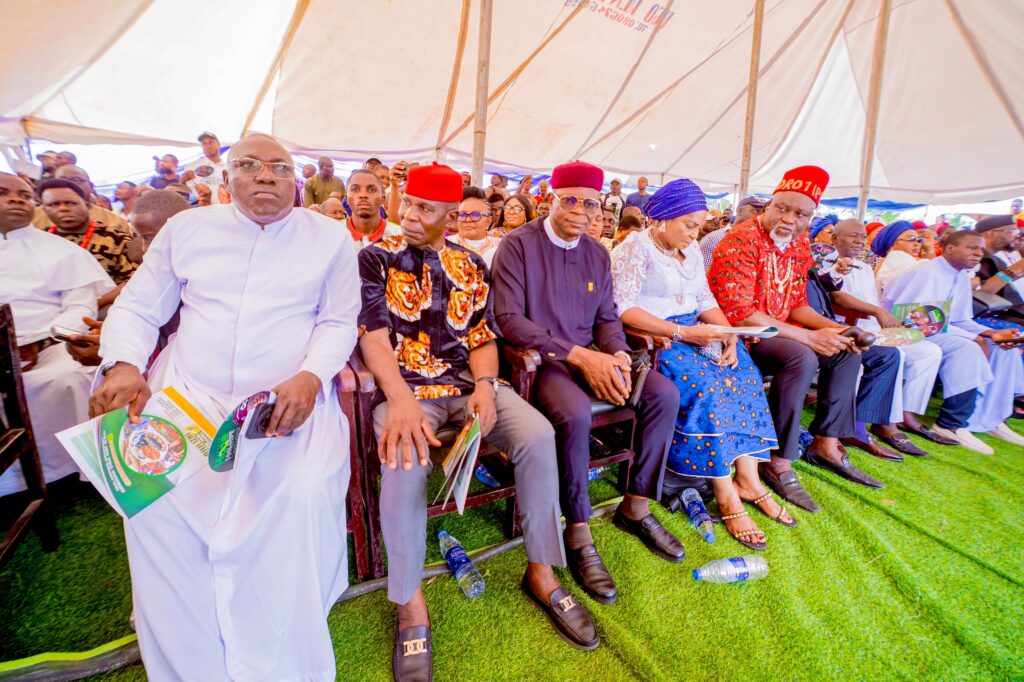

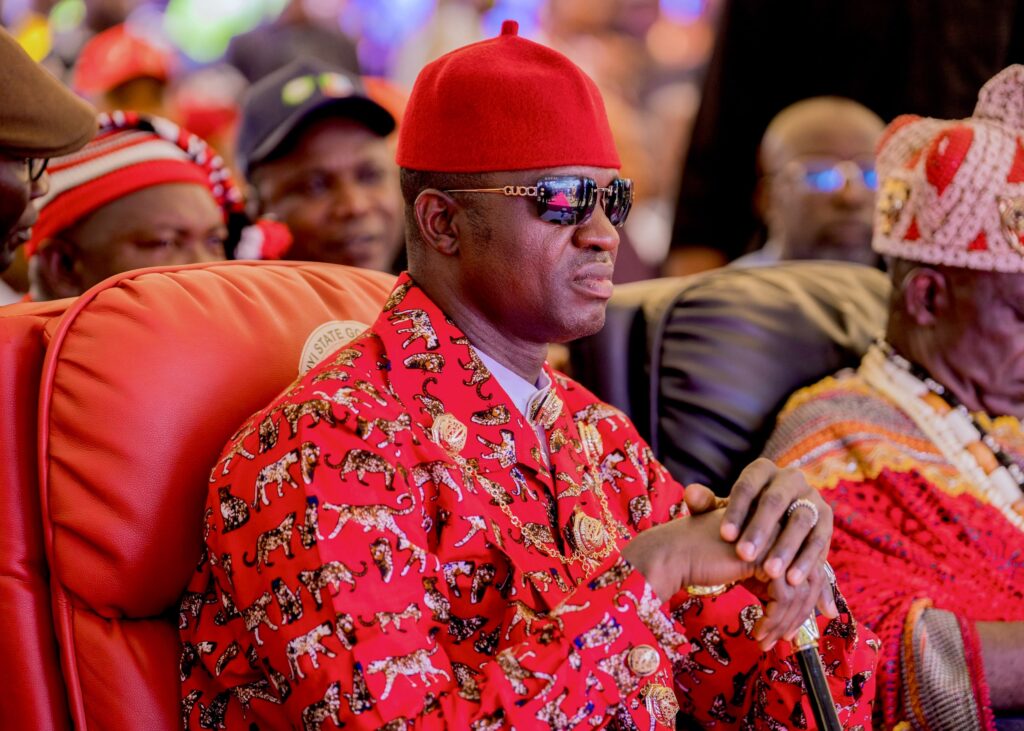
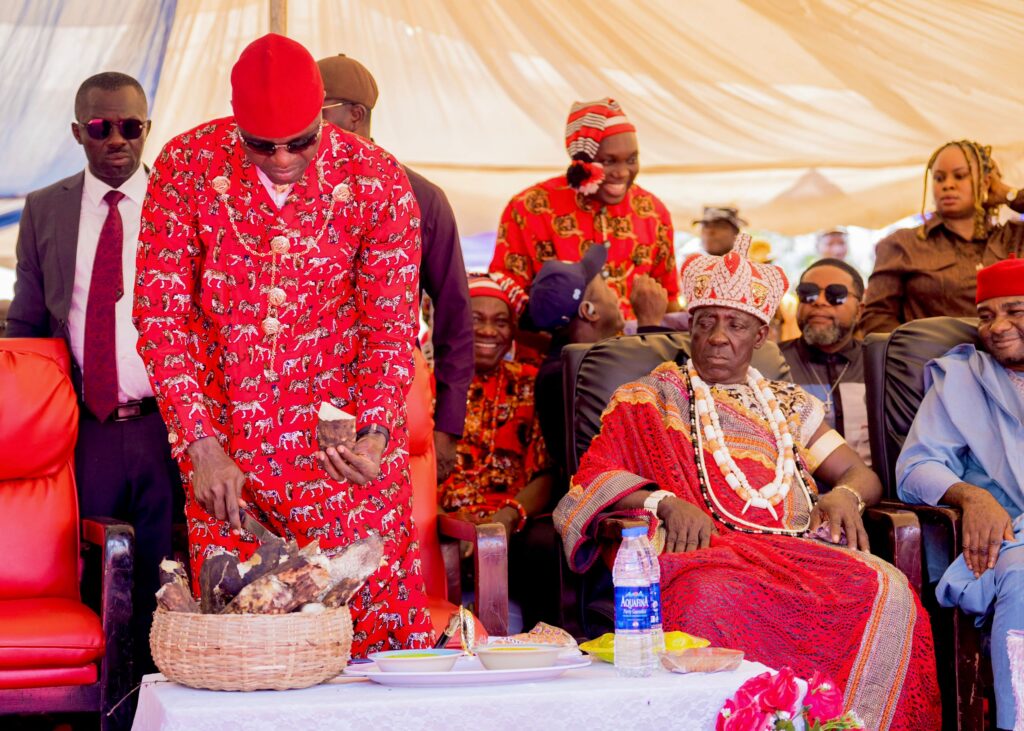
Ebonyi State Governor, Rt. Hon. Francis Ogbonna Nwifuru, has urged the people of Izhi clan to uphold their traditional values and resist influences that undermine the customs, unity and communal spirit of their ancestors.
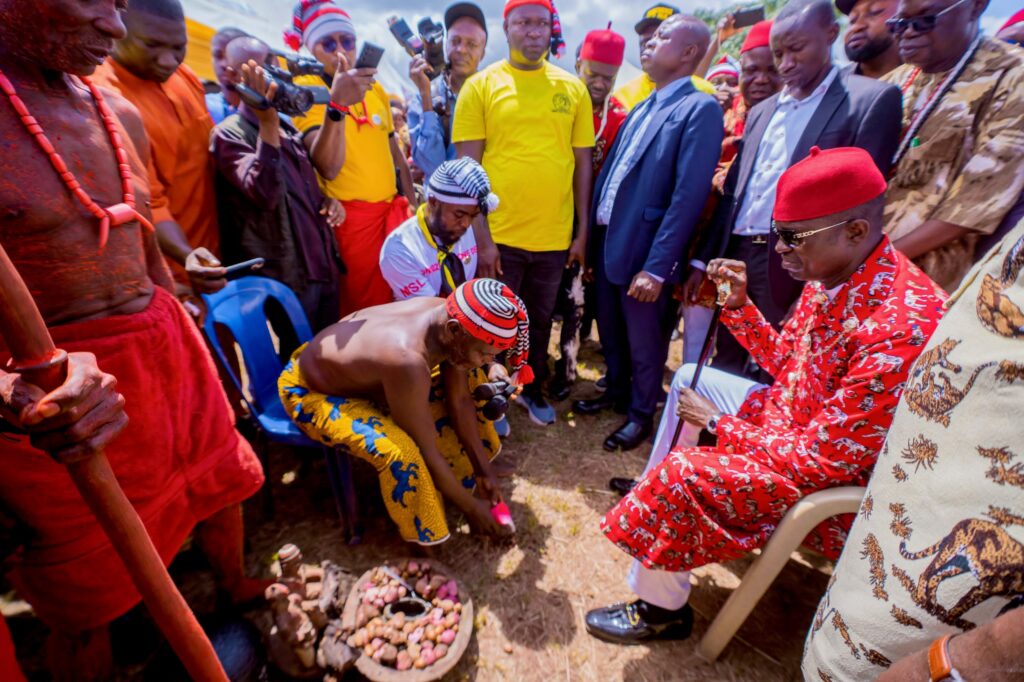
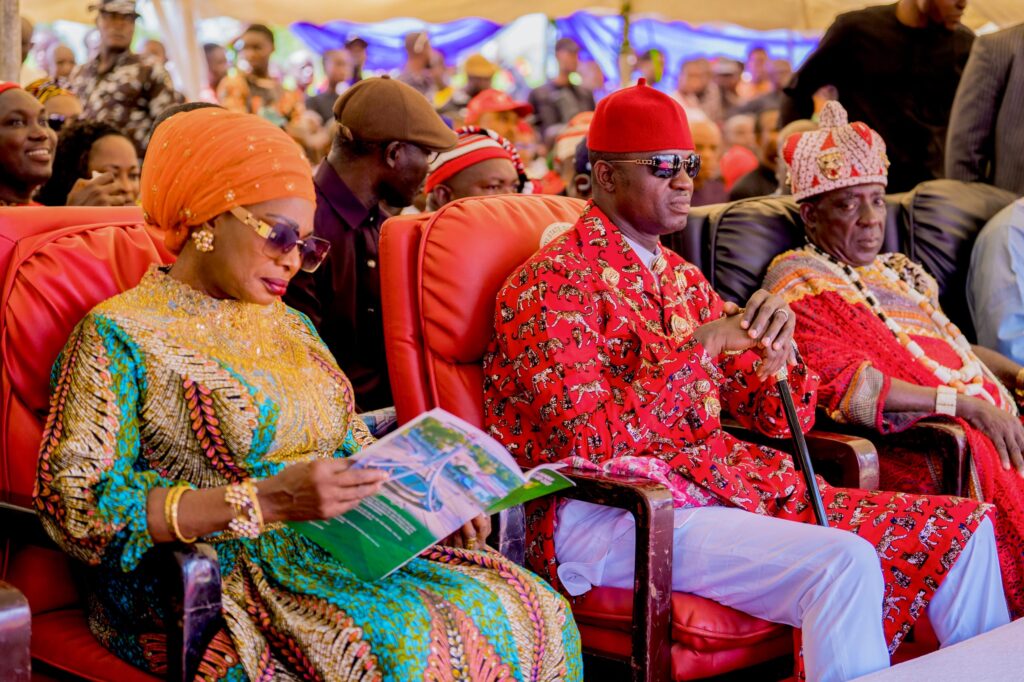
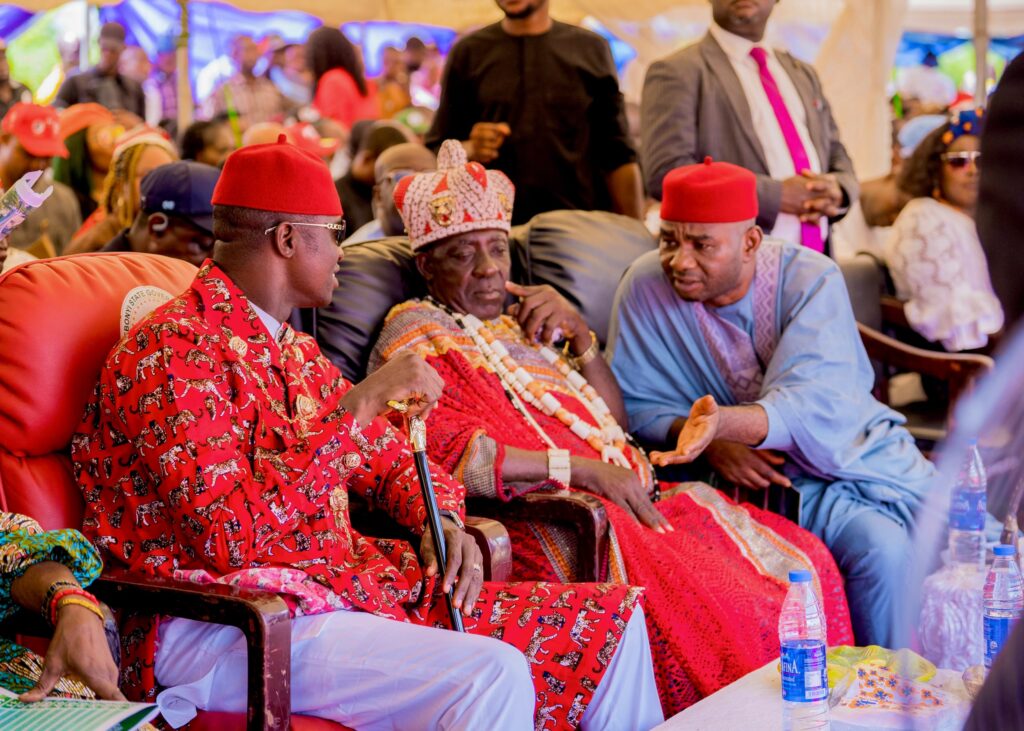
Governor Nwifuru made the call on Saturday at Amagu, the ancestral home of Izzi, during the grand finale of the Ojiji Izhi New Yam Festival Celebration.
The Governor identified respect for elders and revered institutions, dignity of labour, hard work, peace, unity and communality as some of the fundamental grand norms that have sustained the Izhi people over the years.
He expressed concern over what he described as the gradual erosion of traditional values, particularly among younger generations, and urged the people to protect their ancestral heritage and communal assets.
Nwifuru specifically cautioned against the sale of ancestral lands to strangers, including lands containing family graves and tombs of forebears, stressing that such practices could weaken the cultural identity and heritage of the people.
According to him, some of the challenges confronting traditional values are linked to misconceptions about the relationship between religion and tradition.
“Many have confused religion for tradition and have failed to locate the difference between the two. There is a sharp demarcation between the two, and they do not conflict and clash in their operations,” the Governor said.
He further clarified that tradition should not be equated with practices such as human sacrifice, which he said are condemned by both humanity and divinity.
Speaking on political developments in the state, Governor Nwifuru also criticised the use of social media to discredit his administration ahead of the 2027 governorship election.
He maintained that his administration had recorded significant infrastructural achievements across Ebonyi State, including the construction and rehabilitation of more than 500 kilometres of roads across the 13 local government areas.
“We have completed more than 500 kilometres of roads across the 13 LGAs. We have done roads connecting other states with span bridges. I am shocked that people are saying we have not done anything for the state within the last three years in office,” he said.
The Governor urged citizens to distinguish between legitimate political criticism and what he described as deliberate attempts to deny the achievements of the administration for political purposes.

“People should not leverage social media to castigate our leaders and deny our sincere performances all in the name of politics,” he added.
On the 2027 political transition and the Izhi clan’s internal power-sharing arrangement, Governor Nwifuru said his administration had ensured balance between the two kindreds in Izhiland in the interest of equity and social justice.
“In the context of 2027, we have balanced power among the two kindreds in Izhiland for the sake of equity and social justice. No one should fight against this established order,” he stated.
He described those working against the established arrangement and creating disaffection within the community as acting contrary to the grand norms of Izhi, urging the people to protect their unity and established institutions.
Earlier, the Chairman of the occasion and apex cultural event, Edward Nkwagu, said the ancestors of Izhi had deliberately instilled virtues such as good morals, sincerity, forthrightness, industry, justice, equity and fairness in their descendants.
Nkwagu, however, expressed concern that modernity and Western influences were gradually eroding some of these values, particularly among the youth.

He lamented what he described as the growing involvement of young people in questionable activities, noting that many had become touts masquerading as real estate agents.
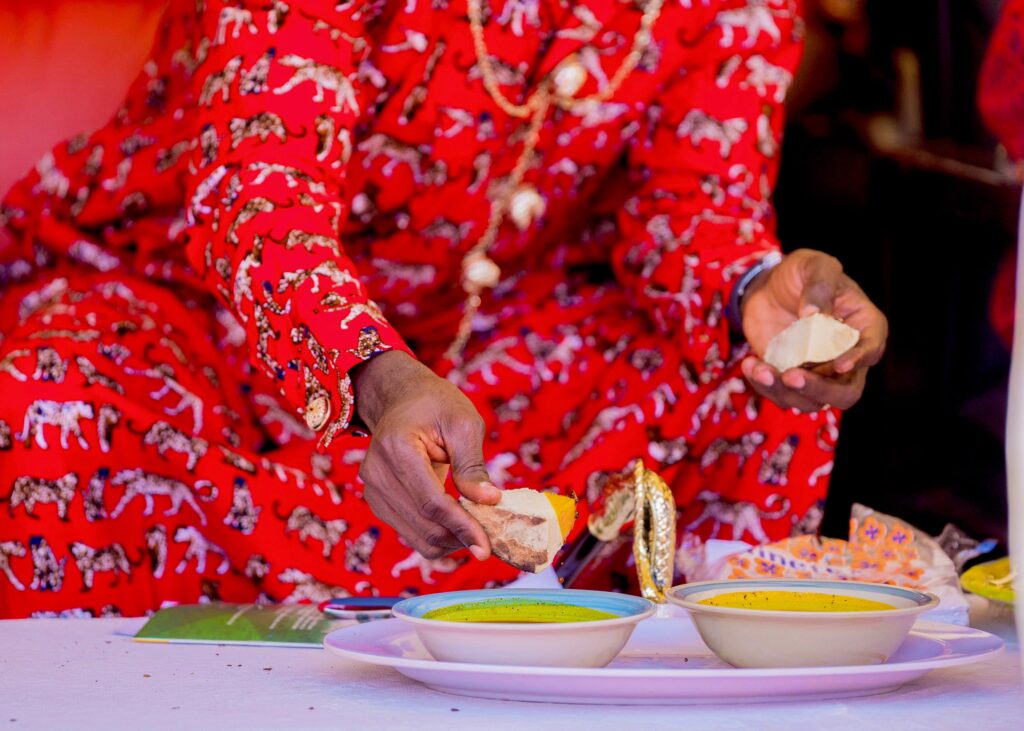
The Ojiji Izhi New Yam Festival provided an opportunity for the people to celebrate their cultural heritage, promote unity and reflect on the values and traditions that have shaped the Izhi people across generations.

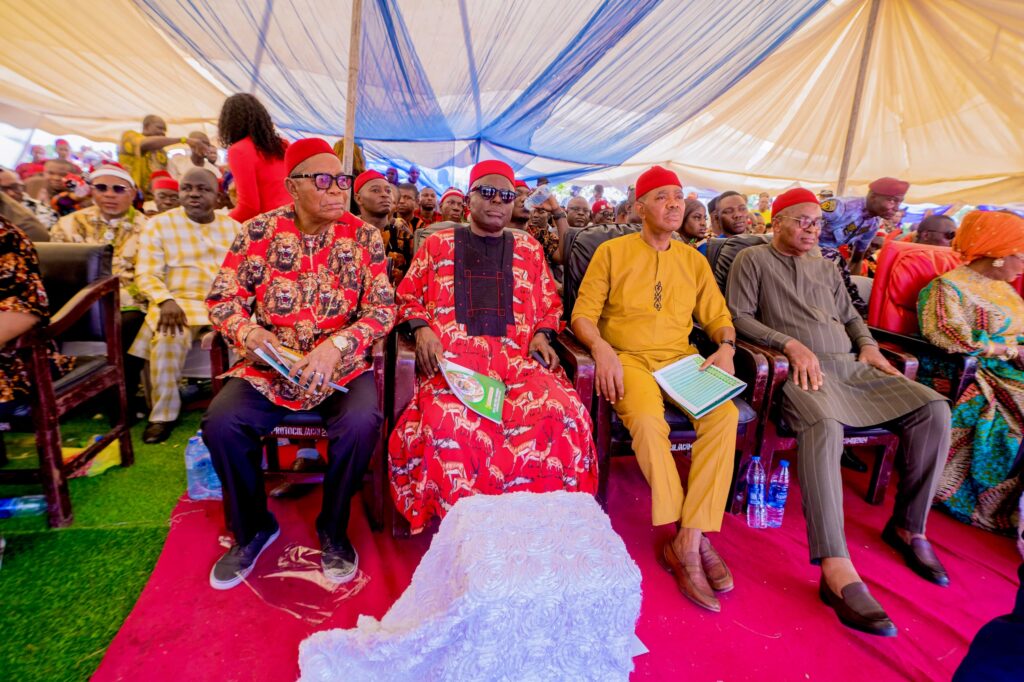
The event brought together traditional rulers, community leaders, political stakeholders, youths, women and other members of the Izhi community in a celebration of culture, heritage and communal identity.